

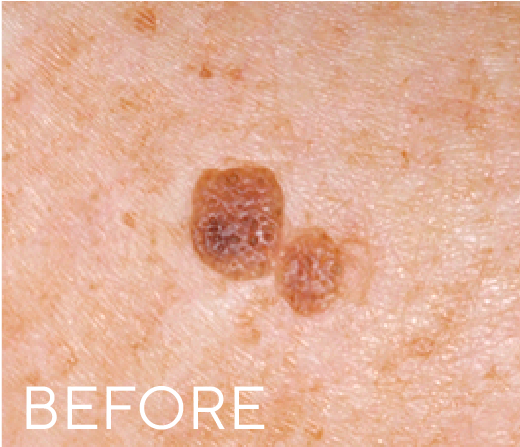
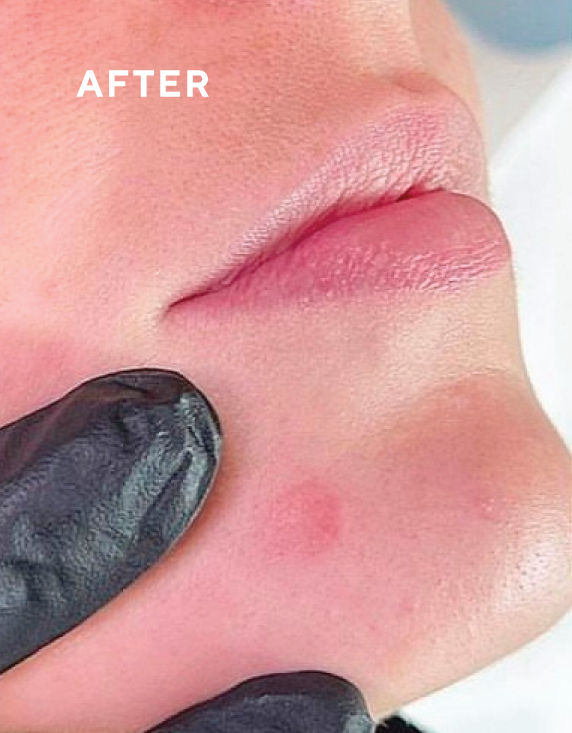
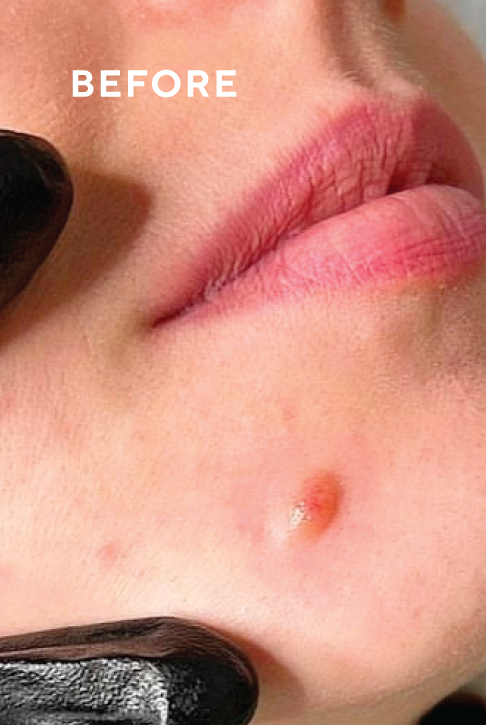
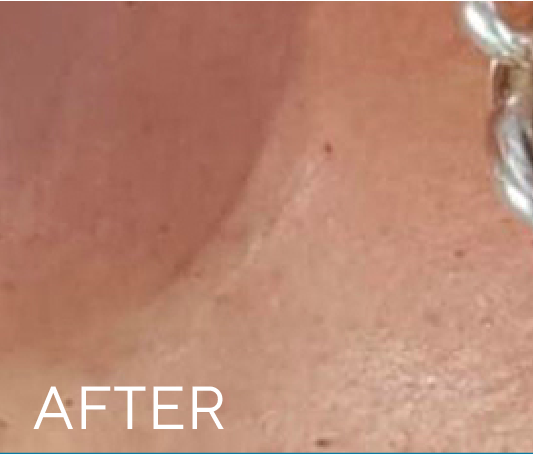

Doctor-led cosmetic skin lesion removal with assessment first, so benign lesions can be identified and the most appropriate treatment pathway discussed.
Assessment first • Benign lesions • Manchester clinic
Many common skin lesions are harmless, but different lesion types behave differently and may require different treatment approaches. A doctor-led assessment helps confirm whether a lesion appears benign and whether cosmetic removal is appropriate.
Identify the lesion type and assess any features that need a different pathway.
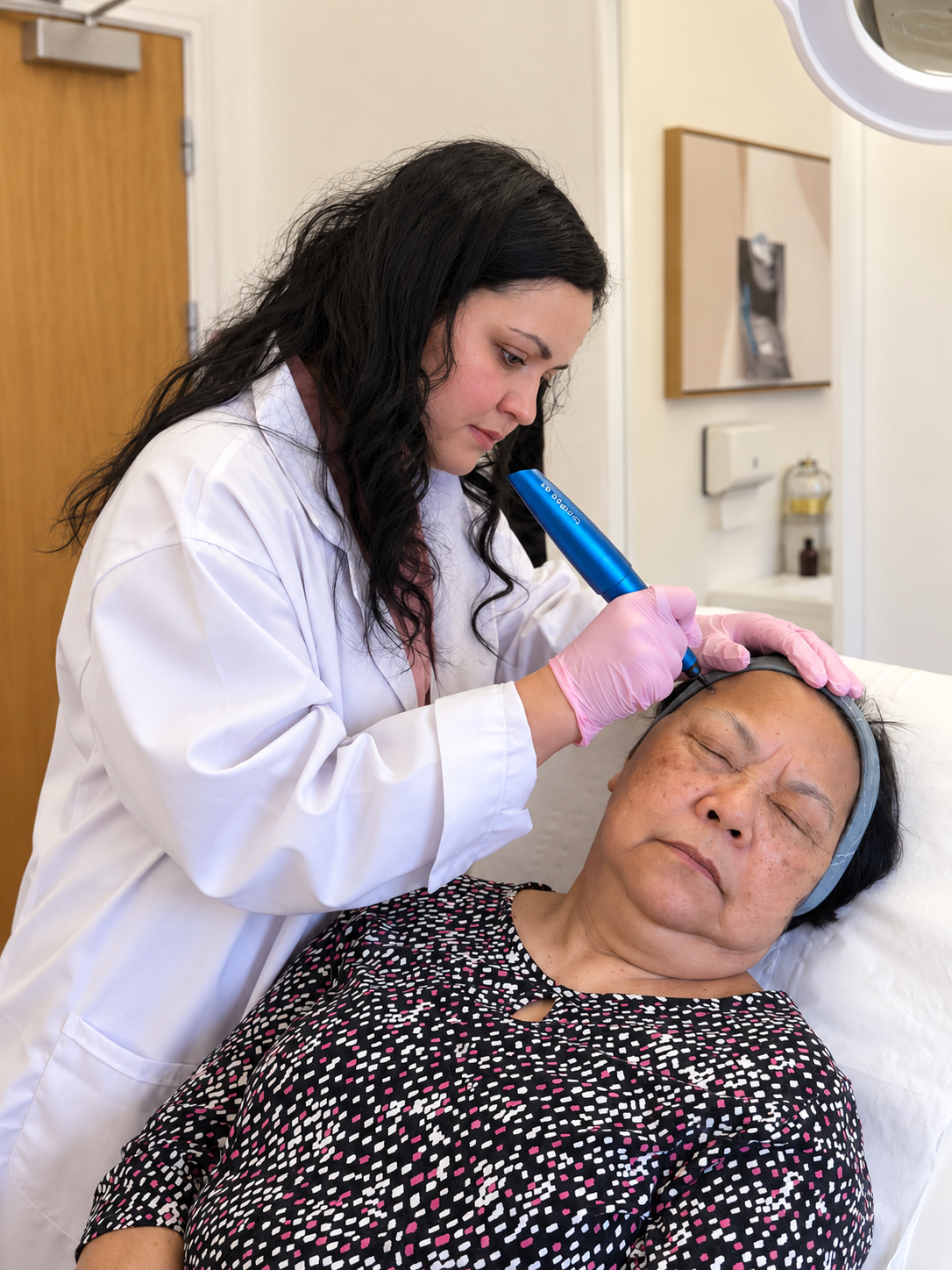
Select an appropriate removal method based on the lesion and location.
Receive clear aftercare and follow-up advice after treatment.
The following lesions are described on Dr Nadia’s existing benign lesion removal page. Treatment is always subject to assessment and suitability.
Common warts are benign skin growths caused by the human papillomavirus. They often appear on the hands or fingers and can spread or become persistent without treatment.
Verrucas are warts that develop on the soles of the feet. They can be painful when walking and are often stubborn due to pressure and thicker skin in this area.
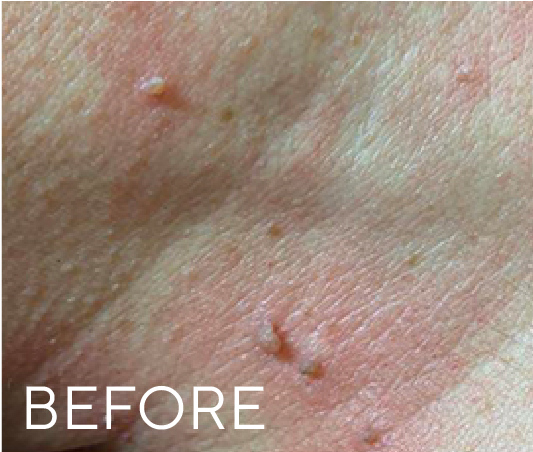
Skin tags are harmless soft growths that commonly occur in areas of friction such as the neck, underarms or groin. While benign, many people choose removal for comfort or cosmetic reasons.
Solar lentigines, also known as age spots or sun spots, are flat brown patches caused by cumulative sun exposure. They are harmless but often removed for cosmetic reasons and to improve overall skin clarity.
Seborrhoeic keratoses are common non-cancerous skin growths that appear with age. They often look waxy, rough or stuck onto the skin and can vary in colour from light brown to black.
Cherry angiomas are small bright red or purple spots caused by clusters of blood vessels. They are very common and benign but can increase in number with age.
Angiofibromas are small firm flesh coloured or pink papules, often seen on the nose or central face. They are benign but may be cosmetically bothersome.
Dermatofibromas are firm nodules that usually develop after minor skin trauma such as an insect bite. They are benign but can feel hard or become irritated.
Molluscum contagiosum is a viral skin infection that causes small dome shaped bumps with a central dimple. It is contagious and more common in children and immunocompromised adults.
Porokeratosis is a disorder of keratinisation that appears as small circular patches with a raised scaly border. Some types are associated with sun exposure and carry a small risk of malignant transformation, so assessment and appropriate treatment are important.
Ephelides are small light brown spots that appear on sun exposed areas of the skin. They are benign and tend to darken with sun exposure and fade in winter, reflecting increased melanin activity rather than increased melanocyte number.
Milia are tiny white or yellowish cysts that form when keratin becomes trapped beneath the surface of the skin. They are common around the eyes and cheeks and are harmless but often removed for cosmetic reasons or skin texture refinement.
A medical assessment helps ensure that benign lesion removal is appropriate and that anything uncertain is not treated as a routine cosmetic concern.
Discuss the lesion, how long it has been present, any symptoms and whether it has changed.
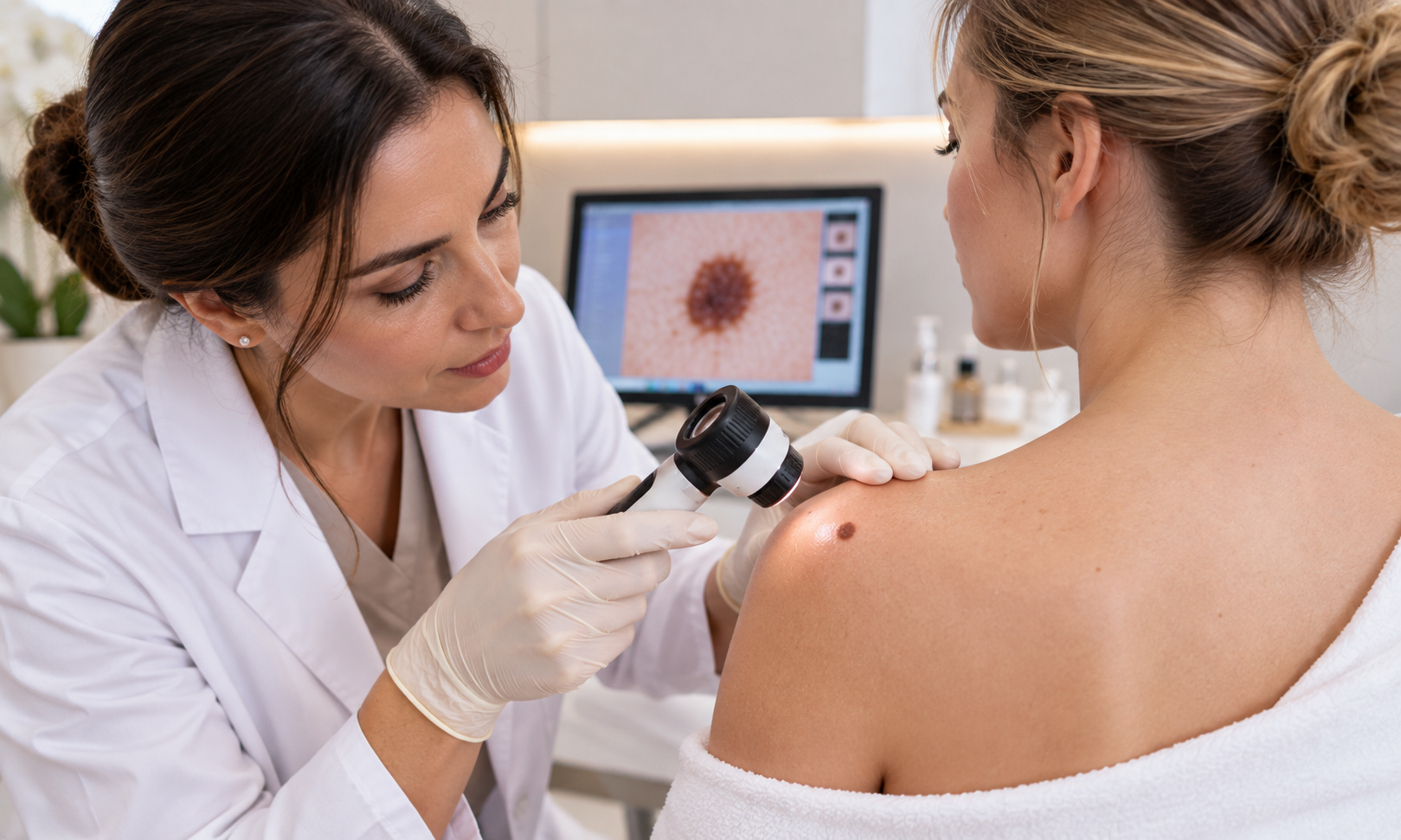
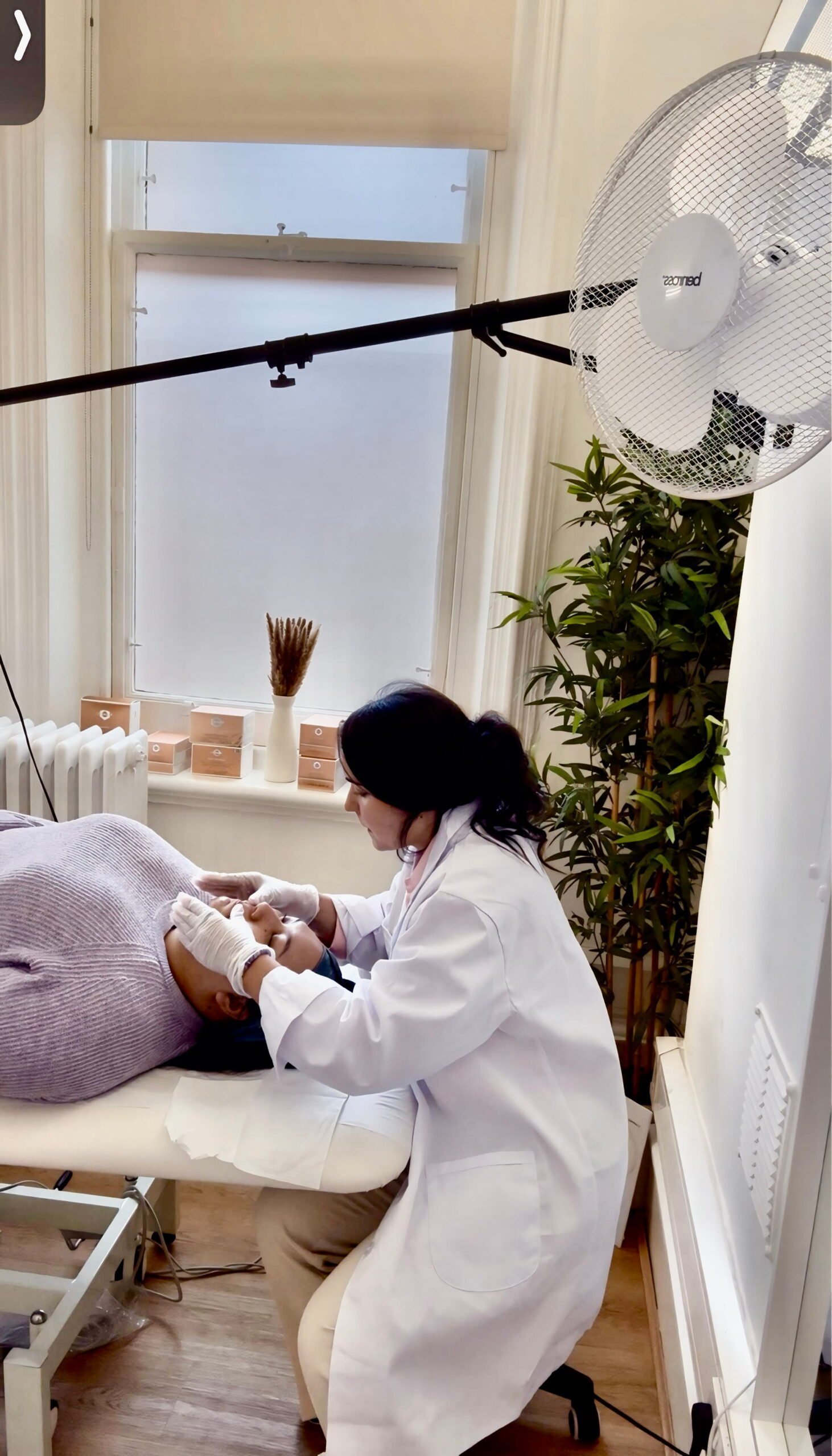
The lesion is examined to determine whether it appears benign and whether cosmetic removal is appropriate.
Dr Nadia explains the recommended approach, expected healing, possible scarring and any alternative pathway if needed.
If suitable, treatment is arranged and you receive clear aftercare and follow-up guidance.
Your treatment plan depends on the lesion type, location, size and the result you are hoping to achieve. The consultation is also the place to discuss healing time, aftercare, recurrence, pigmentation change and scarring risk.
Some lesions are straightforward cosmetic concerns. Others may need a different treatment method, histology, monitoring or referral. That is why assessment is part of the service rather than an optional extra.
A treatment decision starts with understanding what is being treated.
Suspicious or uncertain lesions should not be approached as routine cosmetic removal.
Removal, monitoring, histology or referral can be recommended according to the assessment.
Hear from our patients about their experience at Dr Nadia Abuhussein’s clinic.
Book an enquiry call or assessment to discuss the lesion, confirm whether removal is appropriate and understand the treatment and healing process before proceeding.