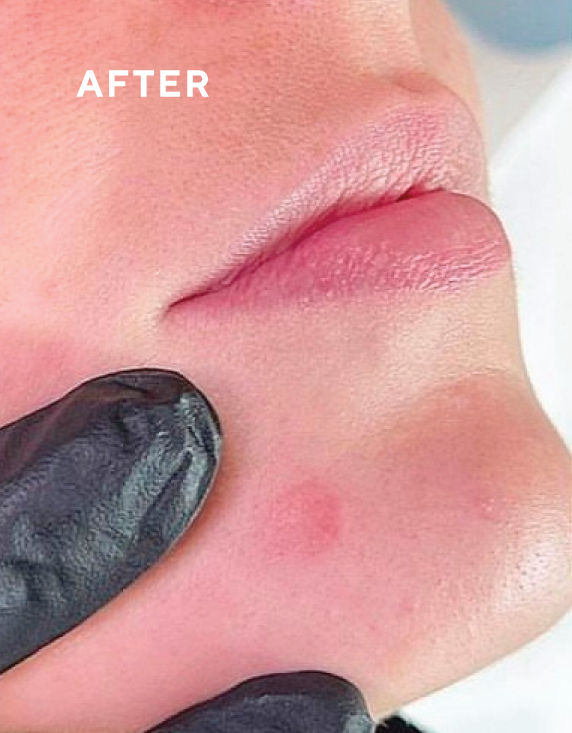
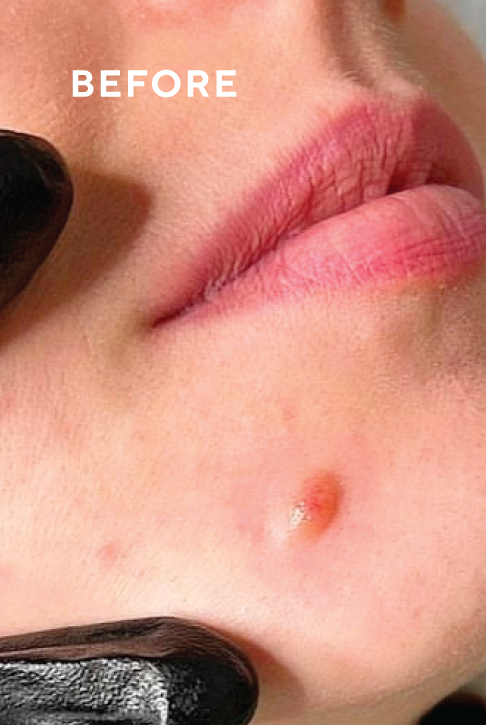
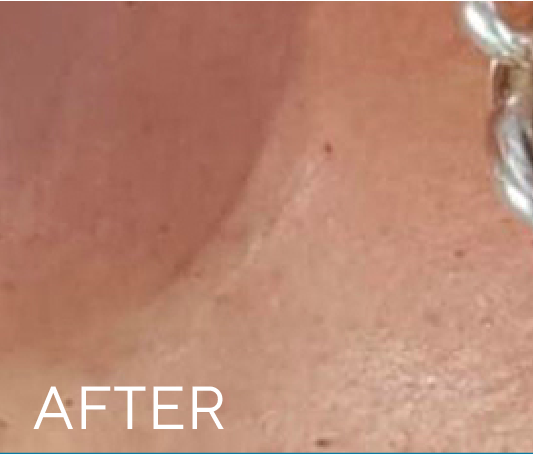
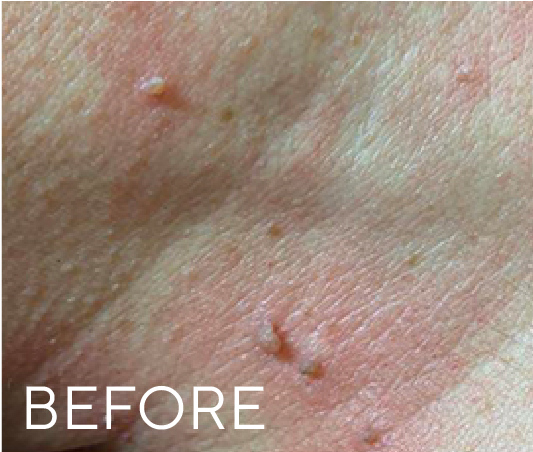

Advanced assessment and treatment planning for benign skin lesions, with a medical approach that puts diagnosis, safety and suitability first.
Safe • Accurate • Clinically guided • Manchester
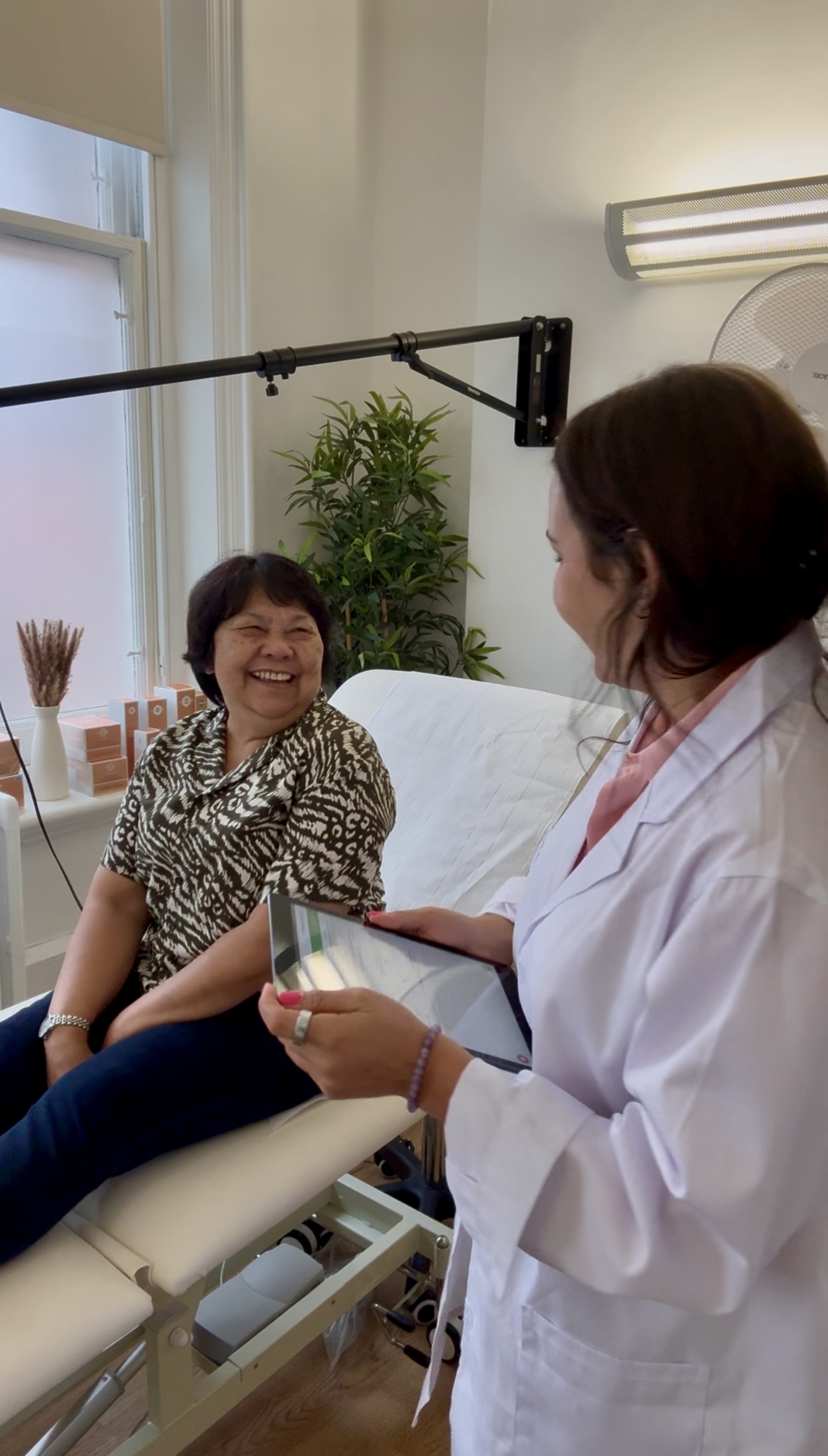
Benign skin lesion removal should begin with medical assessment, not simply cosmetic treatment. Dr Nadia combines a background in surgical training with practical dermatology and dermoscopy to assess lesions before deciding whether removal is appropriate.
The aim is to identify what the lesion is, decide whether it is suitable for treatment in clinic, choose the safest method and recognise when a lesion needs monitoring, histology or referral rather than cosmetic removal.
The exact treatment offered depends on the lesion diagnosis, location, size, symptoms and whether removal is medically appropriate.
Soft benign growths that often occur in areas of friction.
Common waxy or rough benign growths that become more frequent with age.
Benign viral growths, often affecting hands or fingers.
Plantar warts on the soles of the feet that can become painful or persistent.
Small red or purple vascular spots that are common and benign.
Small keratin cysts, commonly seen around the eyes and cheeks.
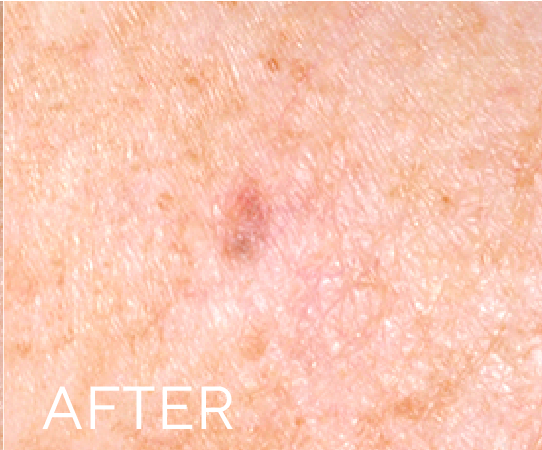
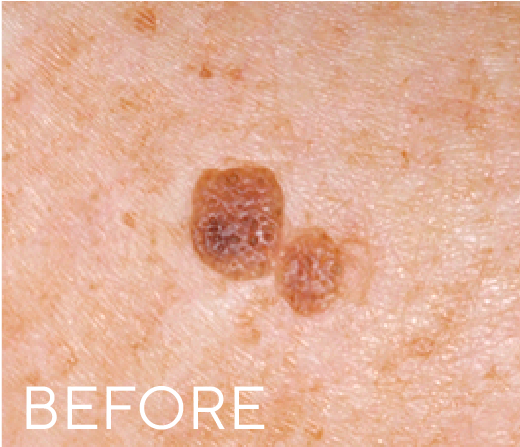
Benign age or sun spots caused by cumulative sun exposure.
Other clinically benign lesions can be assessed and treatment options discussed where appropriate.
The consultation is designed to establish what the lesion is and whether removal is appropriate before any procedure is planned.
Clinical examination and dermoscopic assessment where appropriate.
Assessment for features that may require a different pathway.
Treatment choice considers where the lesion sits and how large or deep it is.
The most appropriate treatment method is selected after diagnosis.
Some lesions may require tissue analysis rather than simple cosmetic removal.
If the lesion is unsuitable for in-clinic removal, referral or further investigation can be recommended.
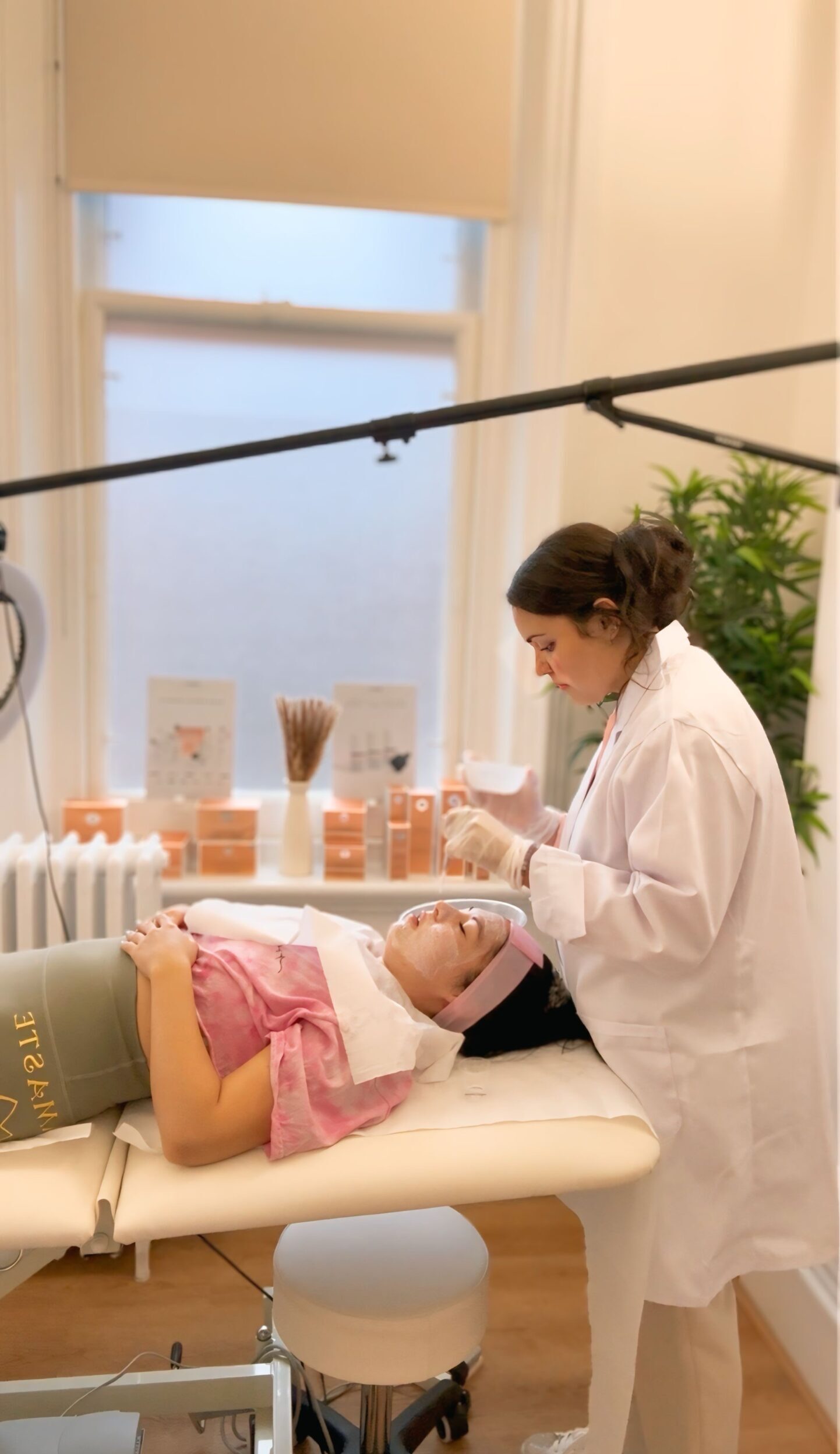
Skin lesion removal is a medical procedure. The priority is correct assessment, an appropriate treatment method and safe aftercare, not simply removing something because it is visible.
The lesion is examined first. Treatment is never based on appearance alone.
Dr Nadia explains the appropriate treatment pathway, expected healing, scarring risk and whether further investigation is needed.
If suitable, the lesion removal procedure is planned around lesion type, location and individual factors.
You receive clear wound care instructions, what to expect during healing and when further review is advised.
Medical assessment helps avoid inappropriate cosmetic treatment and ensures concerning or uncertain lesions are managed through the correct pathway.
Suitability depends on the diagnosis, lesion type, size, location, symptoms and whether any features need further investigation. Assessment comes first.
The treatment method is chosen after assessment. Dr Nadia will explain why a particular approach is appropriate and what healing to expect.
That depends on the lesion and removal method. Some procedures may not require stitches, while others may. This is discussed before treatment.
Any procedure that breaks the skin can leave a mark or scar. The likely cosmetic outcome and scar risk are discussed before treatment.
Timing varies according to the lesion, number of lesions and treatment method. You will receive an individual plan after assessment.
Comfort measures and, where appropriate, local anaesthetic are discussed as part of your treatment plan.
Hear from our patients about their experience at Dr Nadia Abuhussein’s clinic.
If you have a lesion you are unsure about, book an assessment first. Dr Nadia can examine it, explain what it appears to be and advise whether removal, monitoring or another pathway is appropriate.